This has been one of the most interesting topics I’ve researched over the past few weeks. Studying how our brains work and how that is expressed through clothing almost fully defines self-expression for me. Your appearance and how you dress can, not always, say a lot about you. Aligning our mindset with our style affects emotions, self-esteem, mood, and overall, how we see ourselves as people.
In many instances, how we feel about ourselves, think about ourselves, the headspace we’re in, past traumas, culture, friends, relationships, and more all play a role. Your whole life influences how you choose to dress.
Ever since I was little, as long as I can remember, I would play around with different types of clothes. Hilariously, I would sometimes wear summer clothes in winter and winter clothes in summer, which eventually became a bit of a running joke/meme. Looking deeper into why I did that, I think it might have been because I was naturally creative, following my own role models, or maybe just rebelling against my mom by wearing what she wouldn’t want me to. I’m not completely sure. Maybe it was about wanting to stand out, seeking attention as a toddler, or, as I mentioned, just rebelling for the better or for worse.
I hope this personal experience of mine lets you understand better of what I’ll be talking about and how I, in my own way , connect psychology and mentality to fashion.
When we’re born, as expected, our parents make every choice and decision for us. As babies, they dress us however they want, whether it’s in hand me downs from siblings, clothes from Goodwill, or new, pretty outfits because they want to spoil us in that way. I’m not saying that wearing hand me downs or clothes from Goodwill is bad; I’m just offering different perspectives on how these choices can affect us as we grow up.
Then, as we become toddlers, we start making more choices for ourselves, hopefully. This is when we start noticing which colors stand out to us, what we like better on ourselves, what feels good, and what fits well, etc. If you have siblings of the same gender, especially for girls, you either share clothes or don’t, and might even fight over them like I did with my sister.
Puberty is when a lot of things go down. Your emotions and hormones are unbalanced and you begin to shop for yourself or let your guardian know what you like and prefer. Your value of money is more valuable and etc. from there on you just start learning more about yourself and discovering what you truly feel comfortable in and what resonates with you.
As you grow older, this also shapes how you dress, whether you prefer to stay more covered and reserved, or the opposite. Of course, many of us care about how others perceive us, influenced by societal norms. Some people try to break free from these norms, but with a world of 8 billion people, achieving true originality can seem impossible. Think about it.
It’s also fascinating to see fashion designers incorporate psychology into their designs, expressing deep emotions through textiles and color. It truly is astonishing to me , I recommend you watch those runway shows.
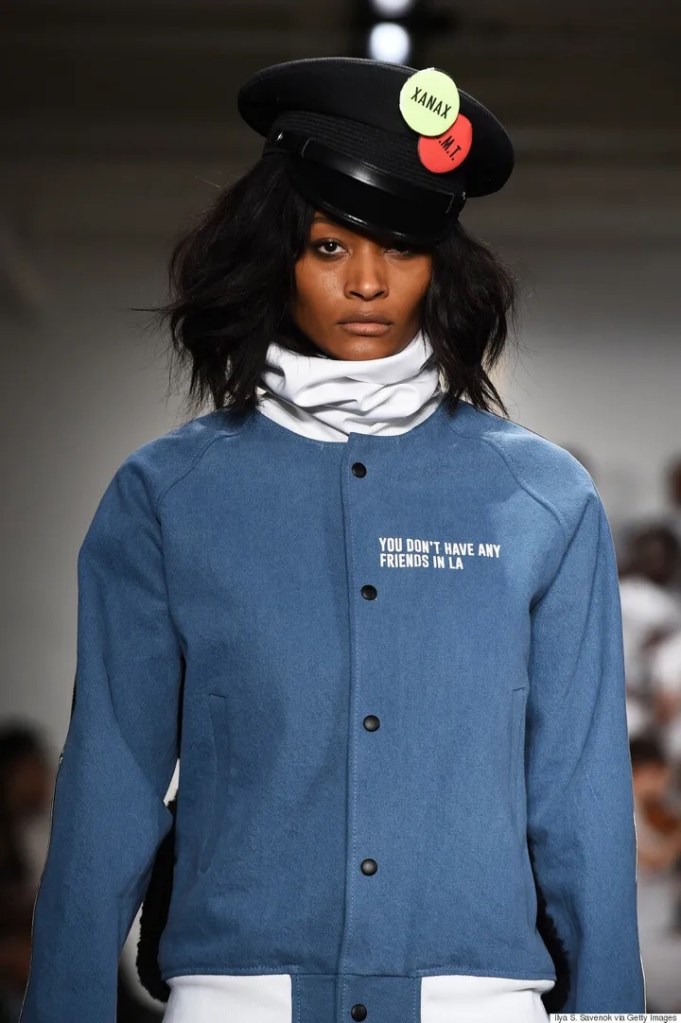
The above design is an example of how fashion designers incorporate mental health into their work, creating a significant impact on those who struggle. It also allows people to see a more creative perspective on mental health, helping to normalize it and highlight its importance.
There are many more of these fashion shows, especially in recent times, that highlight how a person’s state of mind influences their appearance and choice of garments.
Overall, it’s really hard to hide how you feel about yourself because it shows, that’s why people often say confidence makes an outfit. I enjoy being exposed to so many different styles every day and always finding inspiration to incorporate into my own.
That being said, it’s important to take care of yourself in your own way and to reflect on why you might choose a black skirt over light-washed jorts. Psychology is present in absolutely everything, and understanding it, especially to understand yourself, is essential for true self-expression and for your genuine identity to shine through.
Cited sources:
 Styled Essence
Leave a comment